Working with AI Without Losing Your Human Edge
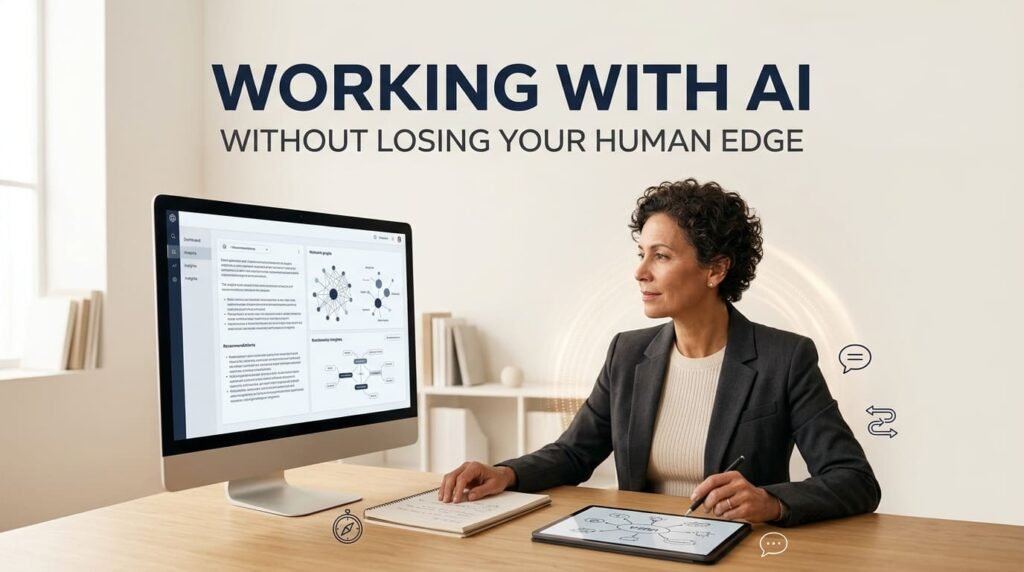
Artificial intelligence is changing how people work, learn, communicate, and make decisions. Tasks that once required hours of research, writing, analysis, or preparation can now be completed much faster with the help of AI tools. For professionals, this creates opportunities to improve productivity, explore new ideas, and reduce repetitive work. But it also raises an […]
Digital Discipline in an Always-Connected World

We have never been more connected. A message can reach us in seconds.A meeting can start with one click.A notification can interrupt us at any moment.A work task can follow us from the office to the dinner table. Technology has made work faster and communication easier. But being always connected doesn’t necessarily mean being more […]
Career Growth Starts with Better Decisions, Not Bigger Risks

Career growth is often associated with taking bigger risks. Quit your job.Change industries.Accept a senior role.Move to another company.Start something completely new. Sometimes those decisions are necessary. But career growth doesn’t always require a dramatic leap. In many situations, career growth starts with making better decisions with the opportunities, skills, time, and information already available […]
Sunday Insight: Your Career Matters, But It Shouldn’t Consume Your Life

Your career matters. It provides income, builds confidence, creates opportunities, and can give you a sense of purpose. For many people, professional growth is an important part of a meaningful life. But there is a difference between building a career and allowing your career to become your entire identity. A successful career should support your […]
Why Adaptability Is the New Job Security
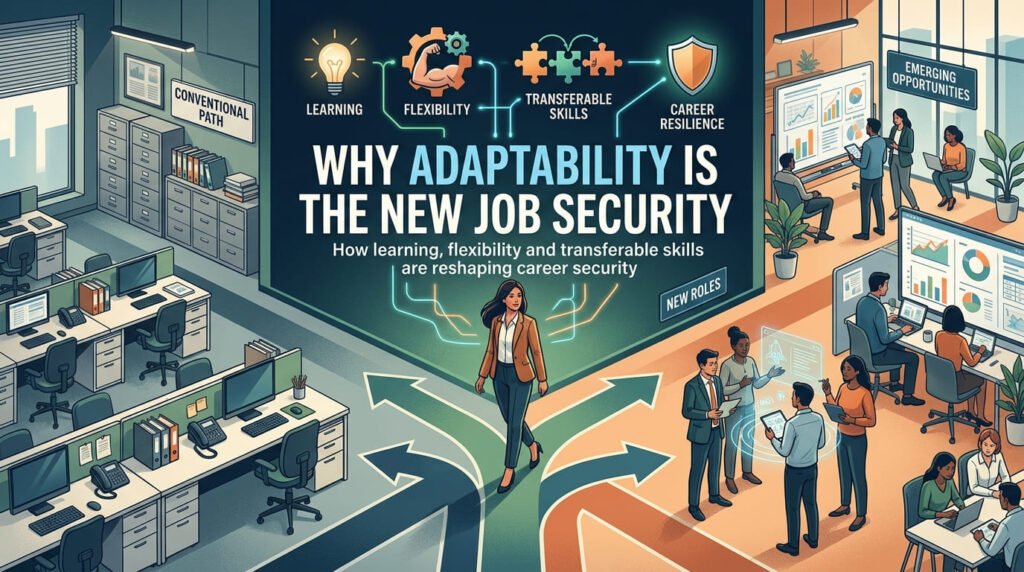
When the Job Changes For many years, job security was associated with stability. Stay with a good company.Become experienced.Master your role.Build a reputation.Keep doing good work. That formula still matters—but the workplace around it has changed. A role that feels secure today may look very different a few years from now. Technology can change how […]
Smart Web Decisions: How to Avoid Miscommunication in Remote Web Projects
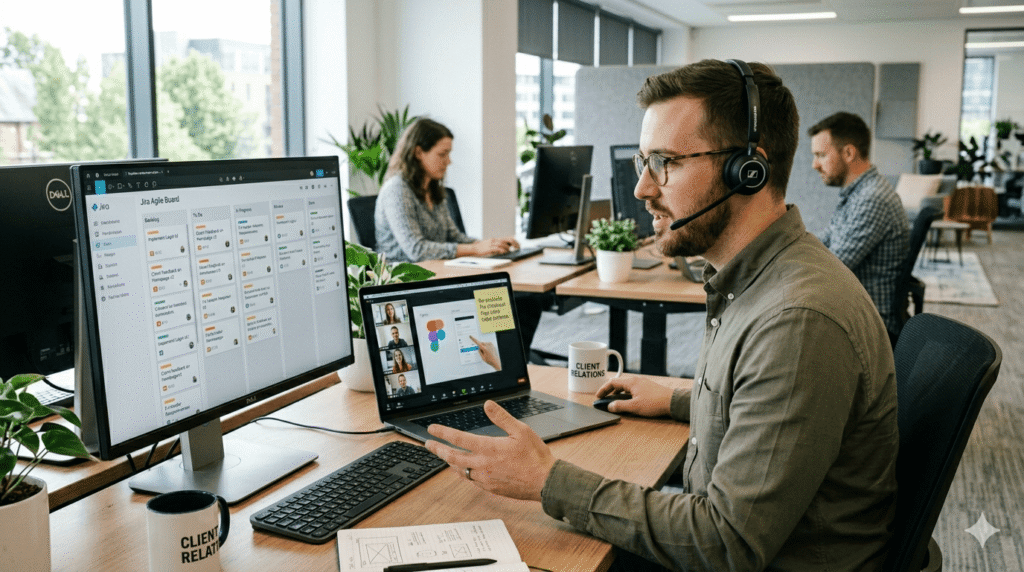
Introduction Remote web development has made it easier than ever to work with talented developers, designers, agencies, and freelancers across different cities and countries. Businesses now have access to global expertise without being limited by geography. However, while remote collaboration offers flexibility and cost advantages, it also introduces one of the biggest causes of project […]
Mental Health at Work: Breaking the Silence That’s Costing Organisations Dearly

The most expensive problem in most organisations is not the one people are talking about. It is the one nobody will. Here is a number that puts the scale of this crisis in perspective: an estimated 12 billion working days are lost every year to depression and anxiety alone — costing approximately $1 trillion in […]
Allyship in Action: Moving from Good Intentions to Meaningful Workplace Change

Good intentions are the starting point. They are not the destination. There is a version of allyship that feels like progress but produces none. It is the diversity photo on the company website where the boardroom tells a different story. It is the annual unconscious bias training that nobody follows up on. It is the […]
Green at Work: How Sustainability Is Becoming an Employee Expectation, Not a Perk

The organisations still treating sustainability as a nice-to-have are losing talent to the ones that figured this out two years ago. There was a time — not long ago — when a company’s sustainability programme meant a recycling bin in the kitchen, a pledge on the website, and a mention in the annual report that […]
The Art of Constructive Disagreement: How Healthy Conflict Drives Better Teams
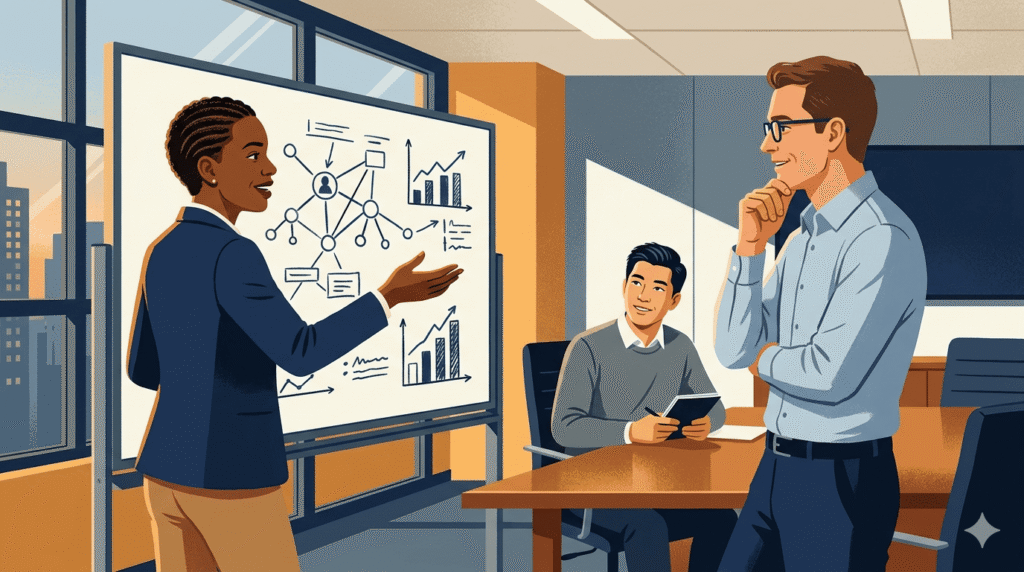
The teams that never argue are not the ones getting along. They are the ones holding back. Most organisations have an unspoken rule about conflict: avoid it. Keep things smooth. Stay professional. Do not make it awkward. And when disagreement surfaces — move past it quickly, find consensus, and get back to work. It is […]