
JavaScript Errors Explained: How to Read the Browser Console

JavaScript errors can look intimidating when you first open the browser console. A message such as Uncaught TypeError, ReferenceError, or SyntaxError may seem like a problem only an experienced developer can understand. In reality, most JavaScript console errors contain useful clues about what went wrong, where it happened, and what you should investigate next. The […]
Smart Web Decisions: When Is a WordPress Page Builder the Right Choice?
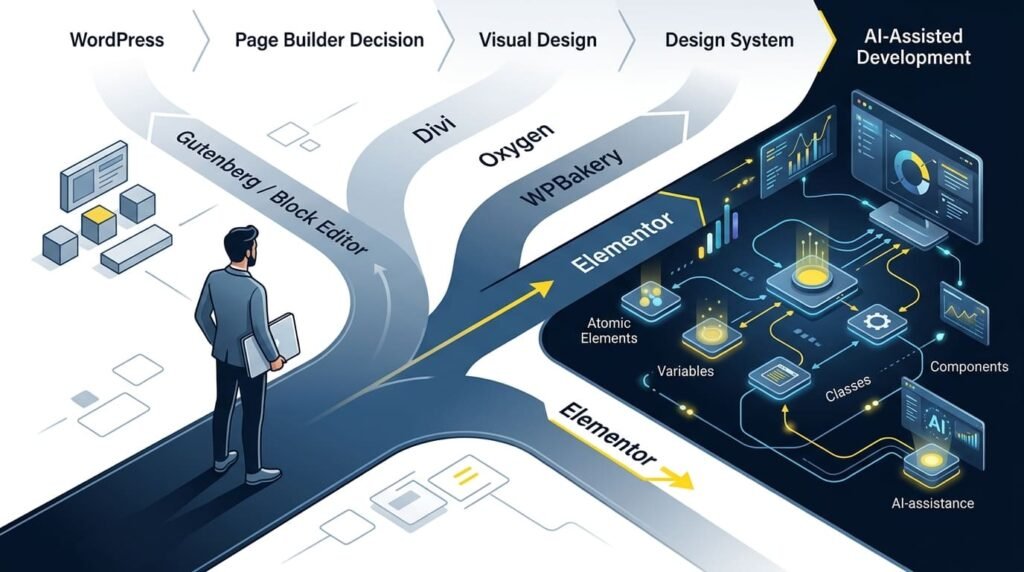
WordPress gives website owners more than one way to build a page. You can use the default WordPress Block Editor, commonly known as Gutenberg, choose a visual page builder such as Elementor, Divi, Oxygen or WPBakery, or build much of the experience through a custom theme and code. So the real question is not: “Which […]
Structured Data for AI Search: What Website Owners Actually Need to Know
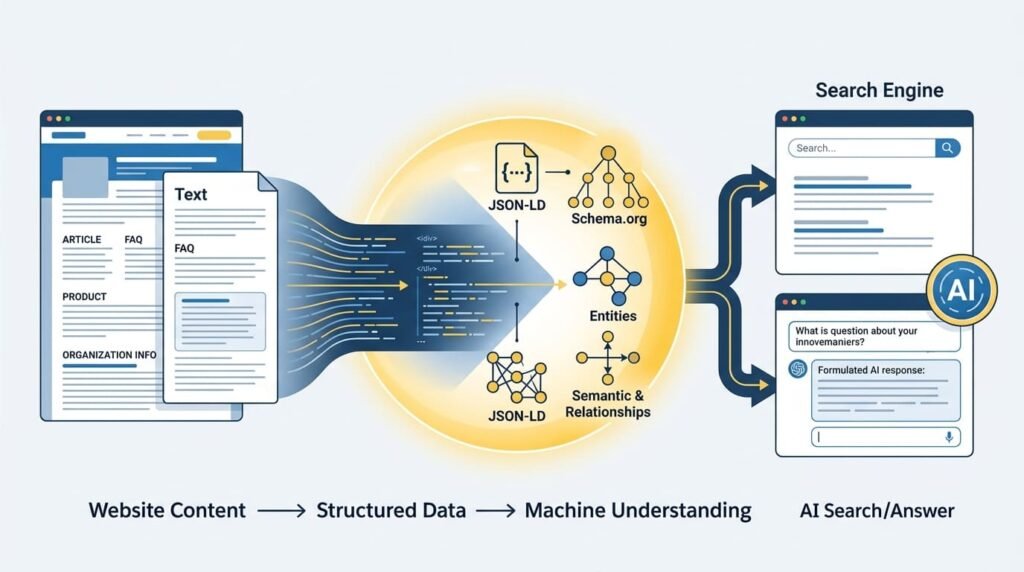
Structured data has been part of modern SEO for years. Website owners have used Schema.org markup to help search engines understand pages, products, articles, organizations, events, reviews, and other entities. But search is changing. Users are increasingly asking AI systems questions instead of simply entering keywords into a traditional search box. That raises an important […]
Smart Coding Decisions: Should Developers Learn the Fundamentals Before Using AI Coding Tools?

AI coding tools can generate a function in seconds, explain an error, create tests, and even help build an application from a natural-language description. That raises an important question for new developers: Should you learn programming fundamentals before using AI coding tools? My answer is yes—but you don’t have to wait until you become an […]
From IA to AI: The Evolution of Coding Assistance

Before AI could generate hundreds of lines of code from a simple instruction, developers were already receiving help from machines. Autocomplete suggested what to type next. IDEs highlighted syntax errors. Snippets provided reusable patterns. Linters identified potential problems. Search engines and developer communities helped developers find solutions. So AI didn’t suddenly introduce coding assistance. What […]
Is Your Website Ready for AI Crawlers?
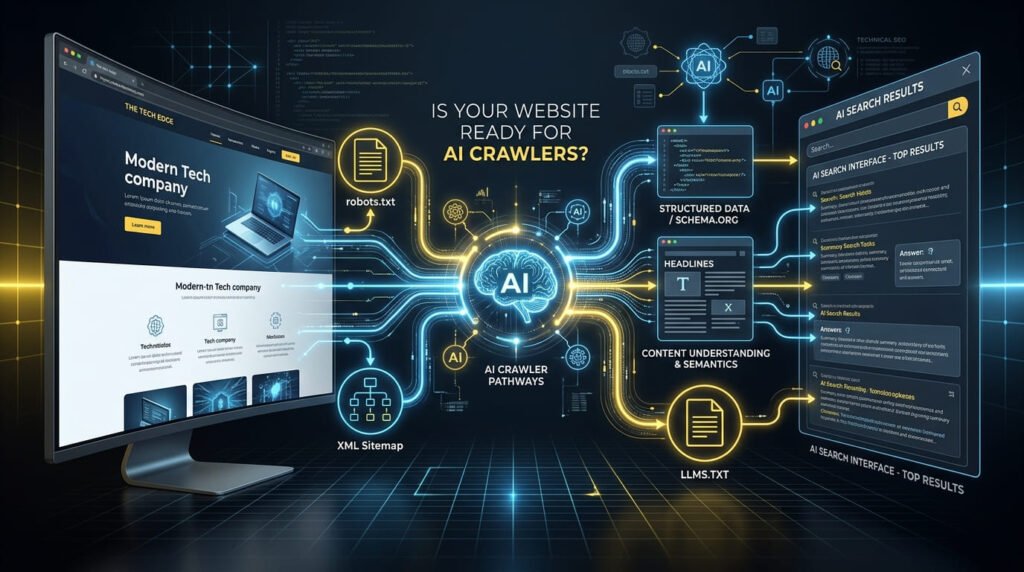
For years, website owners focused on one primary question: Can search engines crawl and index my website? That question still matters. But the search environment is changing. AI-powered search and answer engines increasingly retrieve, interpret, summarize, and reference information from websites. This creates another practical question for website owners: Is my website technically and semantically […]
Why PHP Still Powers Millions of Web Applications
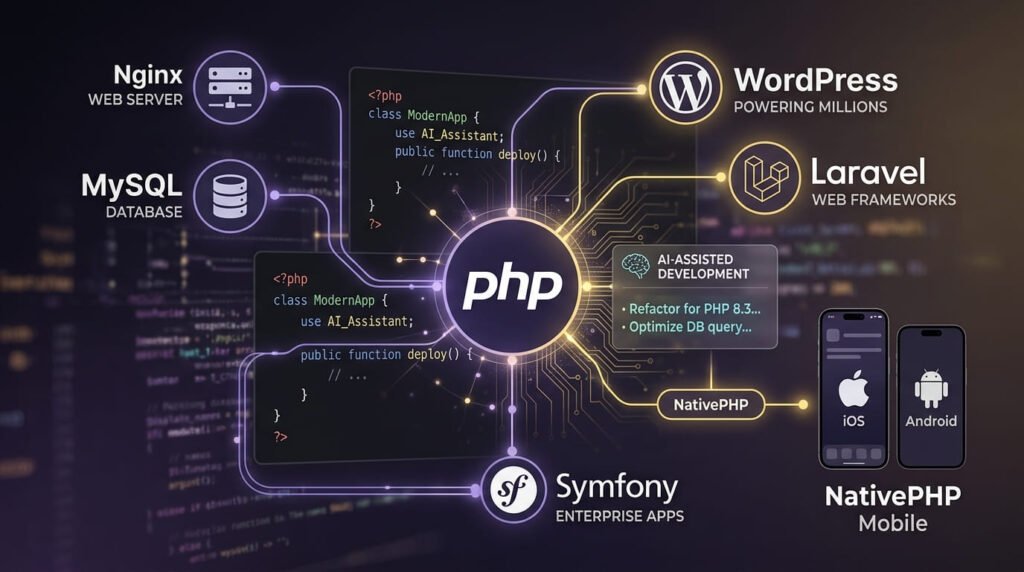
PHP isn’t the newest programming language. It isn’t the language dominating every developer conversation. And it certainly isn’t the only way to build a modern web application. Yet PHP remains deeply embedded in the web. That raises an interesting question: Why is PHP still so widely used when newer technologies have appeared? The answer isn’t […]
I’m Not Anti-AI. I’m Against the Hype That Says Coding Knowledge Is No Longer Necessary.

I use AI. I believe AI can make developers faster, help solve difficult problems, explain unfamiliar code, and reduce a lot of repetitive work. What I disagree with is the growing idea that because AI can generate code, developers no longer need to understand coding. That is a very different claim. AI-assisted development is not […]
Beyond Sitemap: What Role Could llms.txt Play in AI Search?
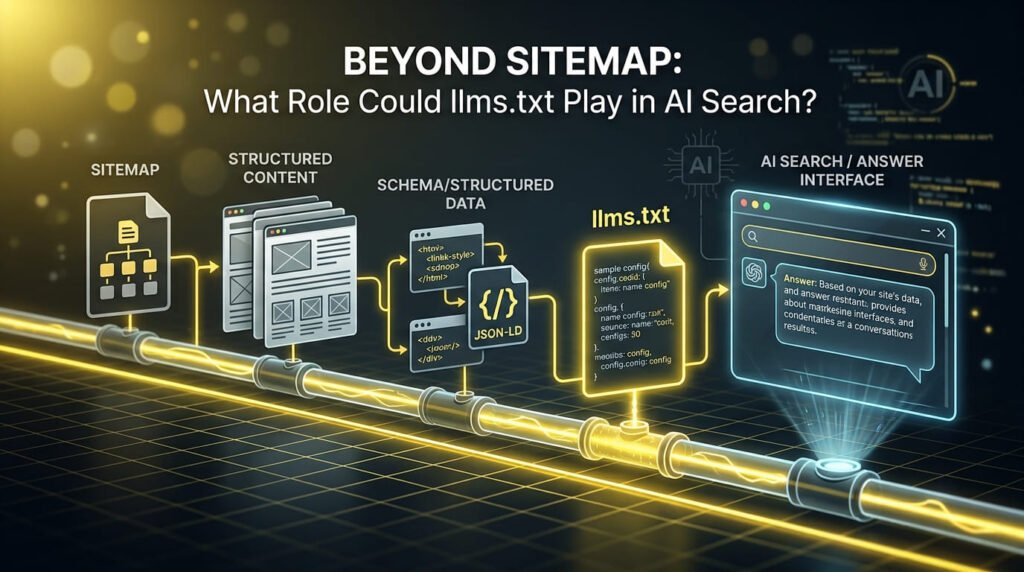
The web has spent decades becoming easier for search engines to crawl, index, and rank. XML sitemaps help search engines discover URLs. robots.txt communicates crawler access preferences. Structured data adds machine-readable context. Internal links connect related information. But AI search introduces another question: Is helping a machine discover a URL enough—or does an AI system […]
How Structured Data Helps AI Understand Your Website
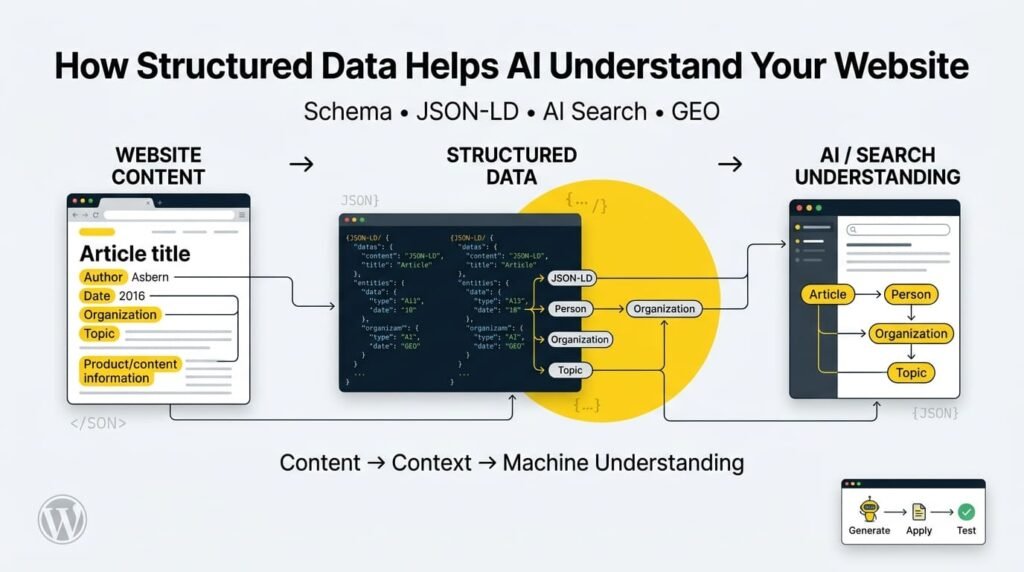
A website can contain all the right information and still leave machines with questions. A human visitor can look at an article and immediately understand: Search engines and other machine systems have to interpret those relationships from the information available to them. This is where structured data becomes useful. Structured data gives machines additional, standardized […]